
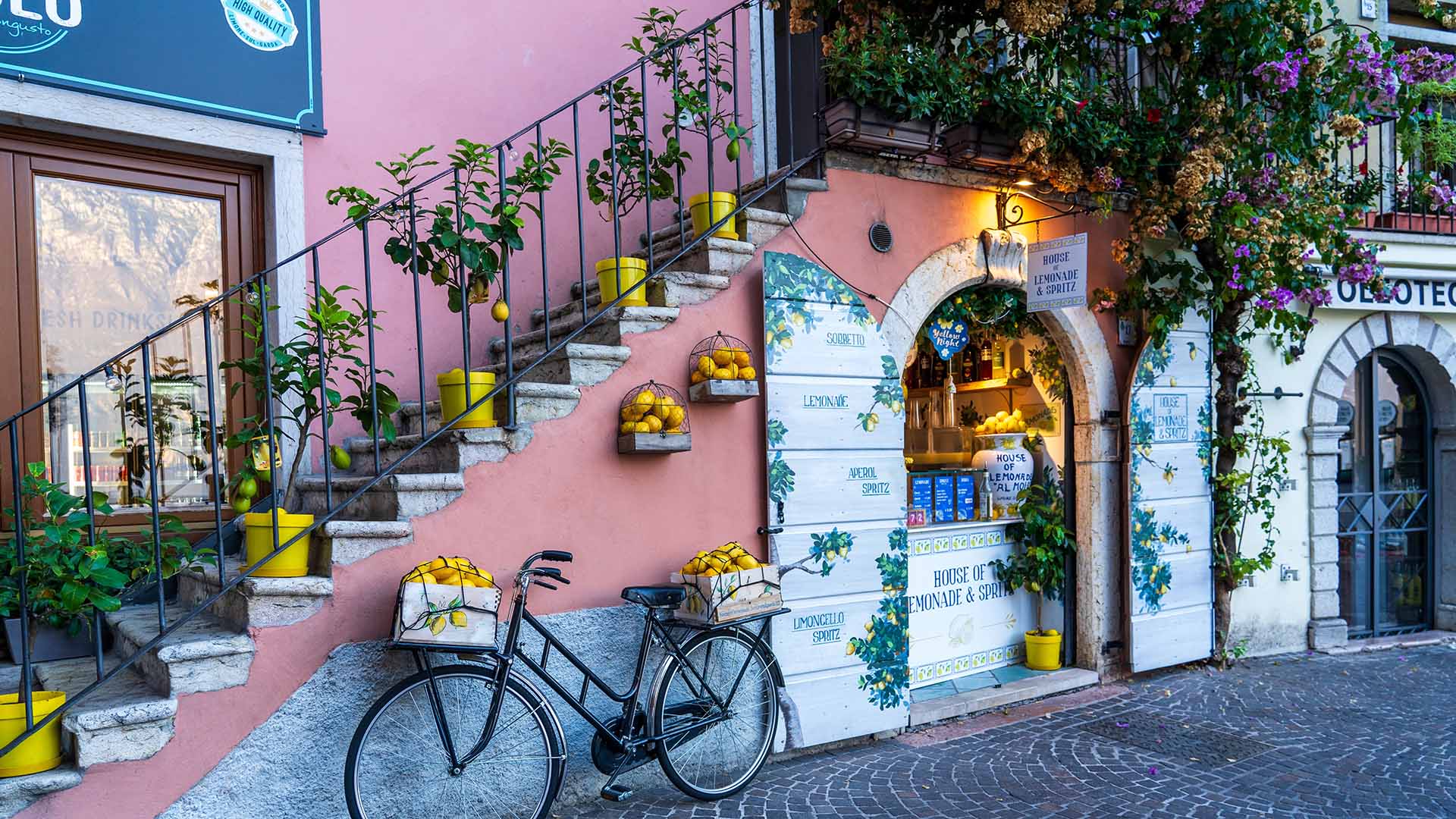
Italy beckons travelers with promises of ancient wonders, artistic masterpieces, and culinary delights. Yet beyond the bustling streets of Rome, Venice, and Florence lies an entirely different country waiting to be discovered.
The real magic of Italy unfolds in its lesser-known corners, where authentic traditions thrive, locals outnumber tourists, and every cobblestone tells an untold story. These hidden gems offer travelers a chance to experience the Italy that existed before mass tourism reshaped its most famous destinations. From medieval hilltop villages to coastal towns untouched by cruise ship crowds, from Alpine valleys where ancient languages survive to islands where time moves at its own pace, Italy’s offbeat destinations promise genuine connections, unexpected discoveries, and memories that transcend typical tourist experiences.
This journey into Italy’s secret places reveals destinations where you’ll share wine with winemakers in their family cellars, stumble upon festivals celebrating centuries-old traditions, and find yourself the only visitor admiring frescoes that rival those in the Sistine Chapel. These are places where restaurant menus aren’t translated into five languages, where accommodation means staying in a converted monastery or a family-run agriturismo, and where your biggest challenge might be choosing between yet another spectacular viewpoint or a third helping of homemade pasta.
🏔️ Matera: The Ancient Cave City Rising From Obscurity
Once considered Italy’s shame, Matera has transformed into one of the country’s most compelling destinations. The Sassi districts showcase thousands of cave dwellings carved into limestone cliffs, creating a landscape so otherworldly it’s been used as a backdrop for biblical films and science fiction alike.
Walking through Matera feels like stepping back millennia. The cave dwellings, inhabited continuously for over 9,000 years, now house boutique hotels, restaurants, and artisan workshops. Unlike crowded Tuscan towns, Matera maintains an authentic atmosphere where locals still live among the ancient stones.
Visit the rock churches featuring Byzantine frescoes hidden in caves, many accessible only by steep stone staircases. The Crypt of the Original Sin, often called “the Sistine Chapel of rupestrian art,” displays ninth-century frescoes in pristine condition, viewed by just a handful of visitors daily.
Experiencing Matera Beyond the Obvious
Stay overnight in a cave hotel to truly appreciate Matera’s magic. As day-trippers depart, the city reveals its authentic character. Morning light transforms the Sassi into golden terraces, and evening brings locals out for their passeggiata through streets that have hosted this ritual for centuries.
The Murgia plateau across the ravine offers spectacular views and cave churches accessible via hiking trails. Here, you’ll encounter more wild horses than people, with panoramic vistas of the entire Sassi district spreading before you.
🌊 The Aeolian Islands: Volcanic Paradise Off Sicily’s Coast
While Capri and the Amalfi Coast strain under tourist pressure, the Aeolian Islands maintain their wild beauty and authentic island culture. This UNESCO World Heritage archipelago of seven volcanic islands offers dramatic landscapes, thermal waters, and communities where fishing and agriculture still define daily life.
Stromboli, with its continuously erupting volcano, provides nightly fireworks displays visible from boats circling the island. Guided night hikes to the summit reward adventurous travelers with views of molten lava fountaining against the star-filled sky.
Salina, the greenest island, produces exceptional capers and Malvasia wine. Its twin volcanic peaks harbor hidden beaches accessible only by boat or challenging hiking trails. The island’s slow pace and limited development preserve an atmosphere lost elsewhere in the Mediterranean.
Island Hopping the Authentic Way
Panarea attracts a chic crowd but remains relatively undiscovered compared to mainstream Italian destinations. Its Bronze Age village at Capo Milazzese and offshore islets with bubbling thermal waters offer unique exploration opportunities.
Alicudi and Filicudi, the most remote islands, have no cars and limited electricity. Donkeys still transport goods up steep paths, and the handful of residents maintain traditions unchanged for generations. These islands suit travelers seeking complete disconnection from modern life.
🏰 Urbino: The Renaissance Jewel in the Marche Hills
While Florence drowns in selfie sticks, Urbino preserves Renaissance elegance in peaceful hilltop splendor. Birthplace of Raphael and home to one of Italy’s most harmonious Renaissance palaces, this university town balances cultural treasures with authentic daily life.
The Palazzo Ducale houses masterpieces by Piero della Francesca and Paolo Uccello in galleries you’ll often have to yourself. The palace’s architecture itself represents Renaissance ideals, with its elegant courtyards and the famous studiolo decorated with stunning intarsia work.
Students from the ancient university bring youthful energy to medieval streets lined with artisan workshops and family-run trattorias. Unlike tourist-centric cities, Urbino’s restaurants serve locals first, ensuring authentic menus and reasonable prices.
Exploring the Marche Region
Urbino serves as a perfect base for discovering the Marche region, Italy’s best-kept secret. Rolling hills dotted with walled towns, Adriatic beaches free from beach club culture, and the Sibillini Mountains offer diverse landscapes within easy reach.
Nearby Gradara’s perfectly preserved medieval fortress and village transport visitors to another era. Corinaldo’s walls and staircases inspired legends, while Mondavio’s Renaissance fortress demonstrates military architecture at its finest.
⛰️ Valle d’Aosta: Alpine Culture at Italy’s Roof
Tucked against the French and Swiss borders, Valle d’Aosta offers a distinct Italian experience shaped by Alpine geography and multicultural heritage. Here, French and Italian blend naturally, fondue shares menu space with polenta, and Roman ruins stand against backdrops of Europe’s highest peaks.
The region’s castles number over 100, many dramatically perched on rocky outcrops. Fénis Castle’s fairytale turrets and frescoed courtyard exemplify medieval architecture, while Fort Bard’s massive fortifications now house museums with Mont Blanc views.
Roman Aosta, founded in 25 BC, preserves its ancient city gates, theater, and forum in a compact historic center surrounded by mountains. Unlike Rome’s archaeological sites, these ruins integrate seamlessly into daily life, with cafes occupying medieval buildings built atop Roman foundations.
Mountain Adventures and Local Flavors
Summer hiking and winter skiing attract outdoor enthusiasts to valleys less crowded than famous Alpine resorts. The Gran Paradiso National Park, Italy’s oldest, protects ibex, chamois, and golden eagles across pristine Alpine wilderness.
Food traditions reflect mountain heritage: fontina cheese produced in Alpine pastures, mocetta (cured chamois meat), and hearty polenta dishes fuel mountain activities. Local wines from Europe’s highest vineyards surprise visitors expecting only famous Italian regions to produce quality bottles.
🎨 Orvieto: The Dramatic Clifftop Masterpiece
Rising from volcanic tufa cliffs in Umbria, Orvieto offers cathedral splendor, Etruscan mysteries, and underground wonders without Tuscany’s tourist hordes. The city’s dramatic position atop a flat-topped volcanic plug creates an unforgettable first impression.
The cathedral’s facade ranks among Italy’s most spectacular, its mosaics and sculptures rivaling any church in the country. Inside, Luca Signorelli’s Last Judgment frescoes in the Cappella di San Brizio influenced Michelangelo’s Sistine Chapel work.
Beneath Orvieto’s streets lies a fascinating underground city of Etruscan tunnels, medieval cellars, and Renaissance wells. Guided tours through this subterranean world reveal how residents have carved into soft tufa for over 2,500 years.
Wine, Wells, and Etruscan Heritage
Orvieto Classico wine, produced in surrounding vineyards, deserves its DOC status. Visit family wineries in nearby villages for tastings and tours that include ancient cellars carved into tufa.
The Pozzo di San Patrizio, a 16th-century well engineered with dual spiral staircases, demonstrates Renaissance ingenuity. Descending its 248 steps reveals architectural brilliance designed to prevent donkeys from meeting while carrying water.
🏖️ Procida: The Colorful Island Time Forgot
While Capri and Ischia overflow with visitors, tiny Procida maintains its fishing village character and pastel-painted authenticity. As Italy’s Capital of Culture 2022, the island gained recognition while preserving the charm that attracted filmmakers and artists for decades.
Marina Corricella’s cascade of colored houses tumbling toward the harbor creates one of Italy’s most photographed yet least touristy scenes. Fishing boats still outnumber yachts, and locals gather in waterfront cafes where menus feature the day’s catch.
The island’s compact size makes exploration easy by foot or rented scooter. Hidden beaches like Pozzo Vecchio require navigating narrow paths but reward visitors with clear waters and solitude impossible to find on neighboring islands.
Island Life and Local Traditions
Procida’s lemons, grown in terraced gardens, flavor local specialties including lingua di Procida, a puff pastry filled with lemon cream. Family restaurants serve these traditions alongside fresh seafood in settings where you’re more likely to dine with Neapolitans than international tourists.
Easter’s Misteri procession showcases religious devotion through elaborate displays carried through streets by local groups, a tradition maintained for centuries without commercial tourism influence.
🌿 Civita di Bagnoregio: The Dying Town That Refuses to Die
Connected to the mainland by a narrow pedestrian bridge, Civita di Bagnoregio seems frozen in time. Erosion threatens this tiny hilltop settlement, earning it the nickname “the dying town,” yet its precarious position creates magical appeal.
Only about a dozen residents remain year-round in this medieval village where cars cannot enter. Stone houses cluster around a small piazza, and views extend across the dramatic badlands landscape of eroded clay valleys.
The village’s isolation preserved medieval architecture and atmosphere. Unlike restored tourist attractions, Civita maintains authentic decay alongside careful preservation, creating a unique aesthetic that captivates photographers and romantics.
Visiting the Dying Town
Arrive early or late to avoid day-tripper crowds from Rome. The entrance fee supports preservation efforts for this fragile settlement. Stay overnight in nearby Bagnoregio to experience Civita after visitors depart, when locals reclaim their village and sunset transforms the landscape.
Explore the Etruscan cave network beneath the town, ancient storage rooms and passages carved into tufa. The geological museum explains the ongoing erosion and preservation challenges facing this unique settlement.
🍇 Langhe Region: Piedmont’s Wine Country Without Tuscany’s Crowds
While Tuscany’s wine roads strain with tour buses, Piedmont’s Langhe region offers equally spectacular landscapes, world-class wines, and gastronomic excellence with fraction of the tourist pressure. Rolling hills covered in precise vineyard rows create a UNESCO-recognized landscape of exceptional beauty.
Barolo and Barbaresco villages anchor this wine lover’s paradise, where family wineries welcome visitors for tastings in centuries-old cellars. Unlike commercialized wine tourism elsewhere, many Langhe producers maintain traditional approaches and personal hospitality.
Alba, the region’s elegant capital, hosts the famous white truffle festival each autumn. Beyond festival season, this prosperous town offers exceptional restaurants, historic cafes, and a relaxed atmosphere where food culture remains authentic rather than performative.
Beyond Wine: Castles and Cuisine
Medieval castles dot hilltops throughout Langhe, many converted to luxury hotels or museums. Grinzane Cavour’s castle houses a wine museum and hosts truffle auctions, while Serralunga d’Alba’s imposing fortress offers panoramic vineyard views.
Hazelnuts from these hills flavor gianduja chocolate and countless local desserts. Visit during harvest season to see families gathering nuts from ancient groves, a tradition predating the famous wines.
🏛️ Lecce: The Florence of the South
Lecce showcases Baroque architecture so exuberant it earned its own classification—Lecce Baroque—carved from honey-colored limestone that glows golden in southern light. While northern art cities overflow with tourists, Lecce maintains authentic Puglian character.
The Basilica di Santa Croce displays Baroque excess at its finest, its facade a riot of carved figures, animals, and decorative details. Unlike Florence’s long museum queues, Lecce’s churches and palaces welcome visitors into empty spaces where you can appreciate artistry without crowds.
Roman amphitheater ruins emerge between Baroque buildings, reminding visitors of Lecce’s ancient foundation. The evening passeggiata fills elegant streets as locals gather in cafes and piazzas for the social ritual that defines Italian evenings.
Puglia’s Gateway
Lecce serves as perfect base for exploring Salento, the heel of Italy’s boot. Nearby beaches rival any in the Mediterranean, trulli houses in the Valle d’Itria create fairytale landscapes, and coastal towns preserve Greek heritage in language and traditions.
Otranto’s waterfront castle and mosaic-floored cathedral, Gallipoli’s island old town, and Santa Maria di Leuca at the peninsula’s tip all lie within easy reach, offering diverse experiences without tourist saturation.
🗺️ Planning Your Offbeat Italian Adventure
Successfully discovering Italy’s hidden gems requires different planning than visiting major cities. Many destinations lack international airports, with regional trains and buses providing authentic but slower transportation. This limitation actually preserves their character by limiting mass tourism.
Rental cars provide maximum flexibility for exploring rural regions and connecting smaller towns. Italian highways efficiently link regions, though scenic back roads reveal countryside beauty and unexpected discoveries.
- Book accommodations directly with small properties for better rates and local insights
- Learn basic Italian phrases—essential in less touristed areas where English is uncommon
- Visit during shoulder seasons (April-May, September-October) for ideal weather and fewer visitors
- Research local festivals and market days to experience authentic cultural events
- Allow flexibility in your itinerary for spontaneous discoveries and local recommendations
Sustainable Travel in Hidden Places
These destinations remain special partly because they haven’t been overwhelmed by tourism. Responsible travelers help preserve their character by supporting local businesses, respecting traditions, and avoiding behaviors that mark mass tourism’s worst aspects.
Stay in family-run accommodations rather than international chains, eat in trattorias serving locals, and hire local guides who share authentic knowledge rather than rehearsed scripts. Your choices directly impact whether these places maintain their authenticity or gradually transform into tourist attractions indistinguishable from overcrowded alternatives.

🌟 The Rewards of Going Off the Beaten Path
Choosing Italy’s hidden gems over famous attractions means trading guaranteed Instagram backdrops for authentic experiences and genuine connections. You’ll remember conversations with winemakers, unexpected kindnesses from locals, and the pride you felt discovering places few others know about.
These destinations offer what drew travelers to Italy originally: beauty that hasn’t been packaged and commodified, traditions maintained by communities rather than tourism boards, and the thrill of discovery that disappears when everyone follows the same itinerary.
The Italy of hidden gems reveals itself slowly to those willing to venture beyond tourist maps. Each destination on this list offers portals to authentic Italian life, where the country’s treasures haven’t been polished smooth by millions of visitors but retain the patina of real use and genuine tradition. This is the Italy that captures hearts and creates lifelong connections, where your adventure becomes uniquely yours rather than another reproduction of countless travel blogs and guidebooks.


